
Here is a fact that stops most parents in their tracks: by the time a child turns six, the vast majority of their brain's architecture is already built. The early years are not just "cute years before real school." They are the single most important window of growth a human brain will ever have — and what fills those years (food, play, words, love) quietly shapes the rest of a life.
That is a beautiful responsibility. And it is exactly why the people who care for young children — parents and trained teachers — matter more than almost anyone realises.
Why the early years are the foundation of everything
Our child-development notes put it simply: "Childhood is the foundation stage of life. A healthy child becomes a healthy adolescent and later a healthy adult." Development in these years is extraordinarily rapid — faster than at any other time in life. The brain is laying down connections at a breathtaking pace, building the wiring for thinking, language, emotion and self-control.
And crucially, development is holistic — every area is connected. A child's physical health affects their ability to learn. Their emotional security affects their concentration. Their nutrition affects their brain. You cannot feed the mind while ignoring the body. As our notes remind us: "A healthy body supports active learning."
Get the first six years right, and you are not just raising a child — you are shaping an adult who can think, feel and cope.
Food is brain fuel: the nutrition connection
This is where many people are surprised. We tend to think of food as something that fills the tummy. But for a small child, food is literally building brain tissue.
Our nutrition notes are clear: good nutrition directly "supports brain development — improves memory and concentration, helps in better learning." A hungry or poorly-fed child simply cannot focus. A child running a low energy level from missing breakfast cannot absorb a lesson, however good the teacher.
A child needs a balanced diet — all nutrients in the right proportion. Here is what that actually means, in everyday Indian terms:
- Carbohydrates (rice, roti, potato) — the energy to play and learn all day.
- Proteins (dal, milk, paneer, nuts, egg) — the body-building blocks for muscles and tissues; the notes highlight that there are nine essential amino acids the body cannot make itself, so they must come from food.
- Fats (ghee, butter, oil) — a small but vital energy reserve.
- Vitamins (fruits, vegetables) — protective foods that build immunity. They give no energy themselves, but the body cannot use other nutrients without them.
- Minerals — calcium (milk) for bones, iron (leafy vegetables) for blood.
- Trace elements — even tiny amounts matter: iodine is necessary for overall physical and mental development.
- Water — essential for digestion and life itself.
Miss even one nutrient consistently, our notes warn, and "the child may become weak or sick." Iron deficiency can leave a child pale, tired and unable to concentrate. This is why a trained teacher who notices a child who is "always sleepy, pale and not eating tiffin" — and gently informs the parents — can genuinely change that child's path.
The hidden danger: malnutrition cuts both ways
When we hear "malnutrition" in India, most of us picture an underfed child. But our notes teach that malnutrition runs in two directions:
- Undernutrition — too few nutrients, leading to a weak, thin body, low energy, frequent illness, slow growth and learning problems.
- Overnutrition — too much junk food and too little activity, leading to obesity, low stamina, and the early seeds of lifestyle disease.
Both harm the developing brain. Both are preventable with a balanced diet, real food over junk, and active play. And both are exactly the kind of thing a trained early-childhood educator is taught to spot early — when it is still easy to fix.
Why a trained teacher makes such a difference
Here is the heart of it. In these foundation years, a child spends huge amounts of time with a teacher. That teacher is not a babysitter. A trained teacher is someone who:
- Reads child development — knows what a child should be doing at each age, and spots delays early.
- Understands nutrition — encourages healthy tiffin, checks eating habits, and flags concerns to parents.
- Knows child psychology — handles tantrums, shyness and behaviour with patience instead of scolding.
- Uses the right methods — Montessori, play-way, hands-on learning that actually wires the growing brain.
- Creates emotional safety — and a child who feels secure, our notes confirm, is "more ready to learn and participate."
An untrained adult can keep children quiet. A trained teacher can help a brain build itself well. In the most important six years of a person's life, that difference is enormous.
This is real, respected, meaningful work
When you understand the science, you realise early-childhood teaching is not a "small" job. It is foundational nation-building, one child at a time — our notes call healthy children "the future citizens of the country." Few careers let you make such a deep, lasting difference in another human being's life.
And the good news? Everything in this article — child development, nutrition, psychology, teaching methods — can be learned in a single structured year.
Ready to take the first step?
If reading this gave you a new respect for the early years — and maybe a quiet wish to be part of them — that feeling is worth following.
At the Toddler Teachers Training Institute in Nagpur, founded by Mrs. Avanti Jodhpurkar, our Diploma in ECCEd covers child development, health and nutrition, psychology and the Montessori method — everything you need to nurture a growing brain with confidence. Come to a free demo class (online across India, or in our Bajaj Nagar classroom) and see the work for yourself.
You can explore the ECCEd diploma, or simply message "Hi" on WhatsApp at +91 70206 06285. Your love for children is already your qualification — new batches begin July 2026.
Written by
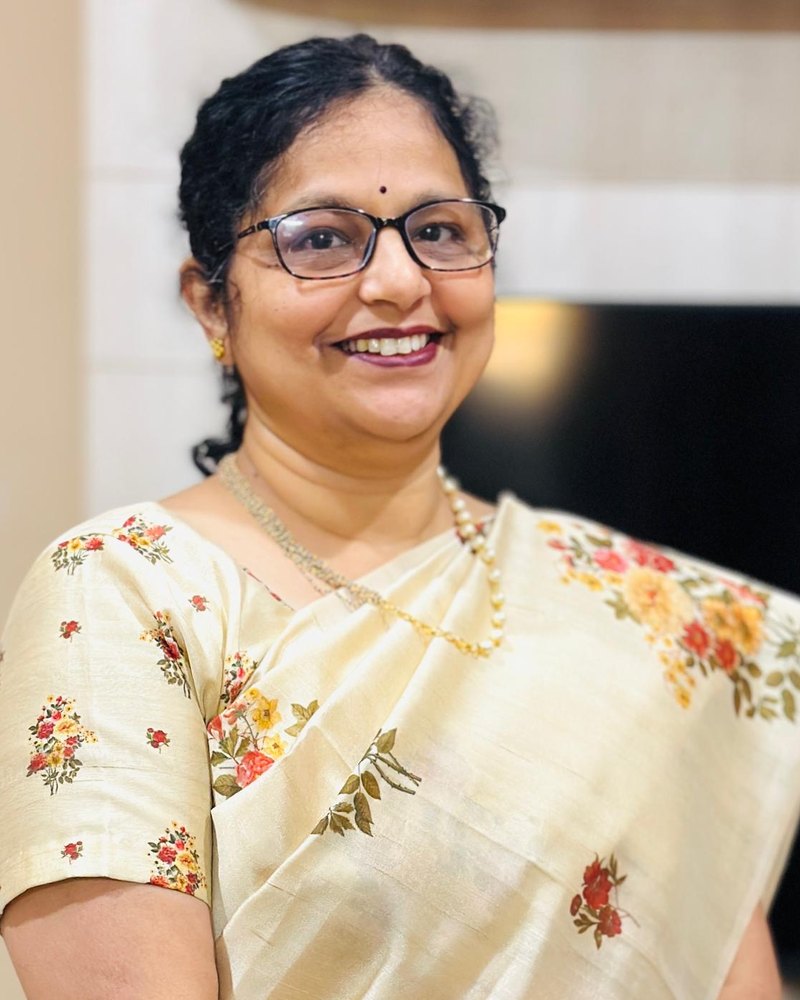
Mrs. Avanti Jodhpurkar
Founder & Director, Toddler Teachers Training Institute
Mrs. Avanti Jodhpurkar has spent over 13 years training early-childhood educators across India. She founded Toddler Teachers Training Institute in Nagpur with one belief: that any woman who loves children can become a confident, qualified teacher — whether she is starting fresh or restarting after years at home.
Curious to learn more?
Book a free demo class and see how the ECCEd diploma works — no fees, no pressure.
Book a Free Demo